


Retaining Wall Waterproofing Solutions
Concrete retaining walls often face moisture from the ground, fill, landscaped areas or built-up spaces behind the wall. If that moisture is not managed, pressure can build behind the structure and push water through joints, cracks, porous concrete or damaged surface protection.
Penetron provides retaining wall waterproofing solutions for new and existing concrete walls. Our systems can help protect the wall face, treat vulnerable joints and reduce water movement through concrete where site conditions demand more than a basic surface coating.
Below, we break down the Penetron solutions that can support retaining wall waterproofing before backfill, after water ingress appears, or when the wall needs stronger long-term concrete protection.
Retaining Wall Waterproofing Solutions from Penetron
Penetron uses a system-based approach to waterproofing retaining walls. The right solution depends on what the wall is holding back, how water is managed behind it, whether the soil-facing side is accessible, and whether the concrete already shows signs of moisture or damage.
The most common retaining wall waterproofing needs include:
New Concrete Retaining Walls
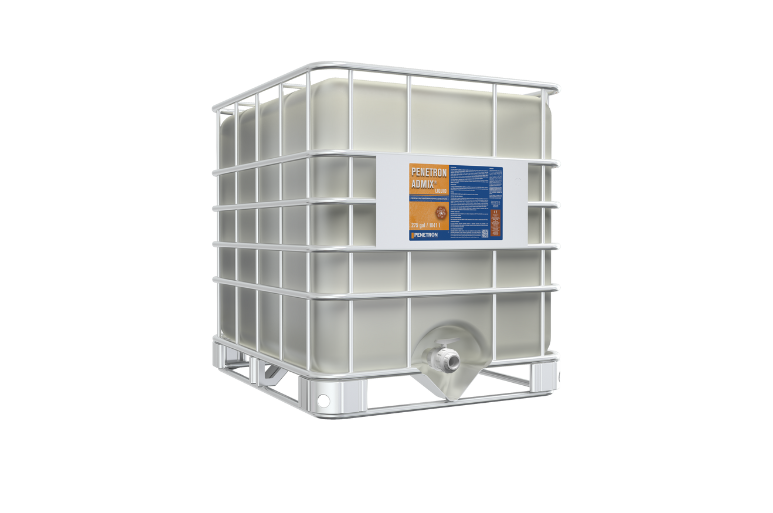
For new concrete retaining walls, PENETRON ADMIX can be added to the concrete mix to support integral waterproofing from the start. This helps reduce water movement through the concrete before the wall is backfilled, enclosed or made harder to access.
Soil-Facing Wall Protection
The ground-facing side of a retaining wall often needs waterproofing before backfill. Penetron cementitious or crystalline waterproofing systems may support wall-face protection where concrete is exposed to moisture, water pressure or aggressive ground conditions.
Added Surface Protection With Seal Coat SF150
Seal Coat SF150 may be used as an added surface waterproofing layer where retaining walls need extra protection against moisture, movement or demanding ground conditions. This flexible cementitious membrane supports strong bonding, elongation and crack-bearing performance on suitable concrete surfaces.
In selected applications, it can be used as a “belts and braces” layer within the broader Penetron system to add value, strengthen wall-face protection and support extended warranty outcomes.
Retaining Wall Construction Joints
Construction joints can become weak points if they are not detailed correctly. Penetron waterstops can help protect joints in concrete retaining walls and reduce the risk of water tracking through vulnerable areas.
Existing Dampness or Water Ingress
Existing retaining walls may show damp patches, staining, efflorescence or seepage. Penetron crystalline waterproofing treatments and repair systems may help reduce water movement through the concrete where the wall condition and access allow.
Cracks, Voids and Surface Defects
Cracks, voids and weak concrete can allow water to pass through a retaining wall. PENECRETE MORTAR can support patching, joint treatment and concrete repair as part of a wider waterproofing system.
Active Water Leaks
Technical Product Advice
Retaining wall waterproofing depends on wall type, water pressure, ground exposure, drainage, access and concrete condition. Penetron offer technical support and consultations to help builders, engineers, contractors and asset owners choose a suitable product or combined system.
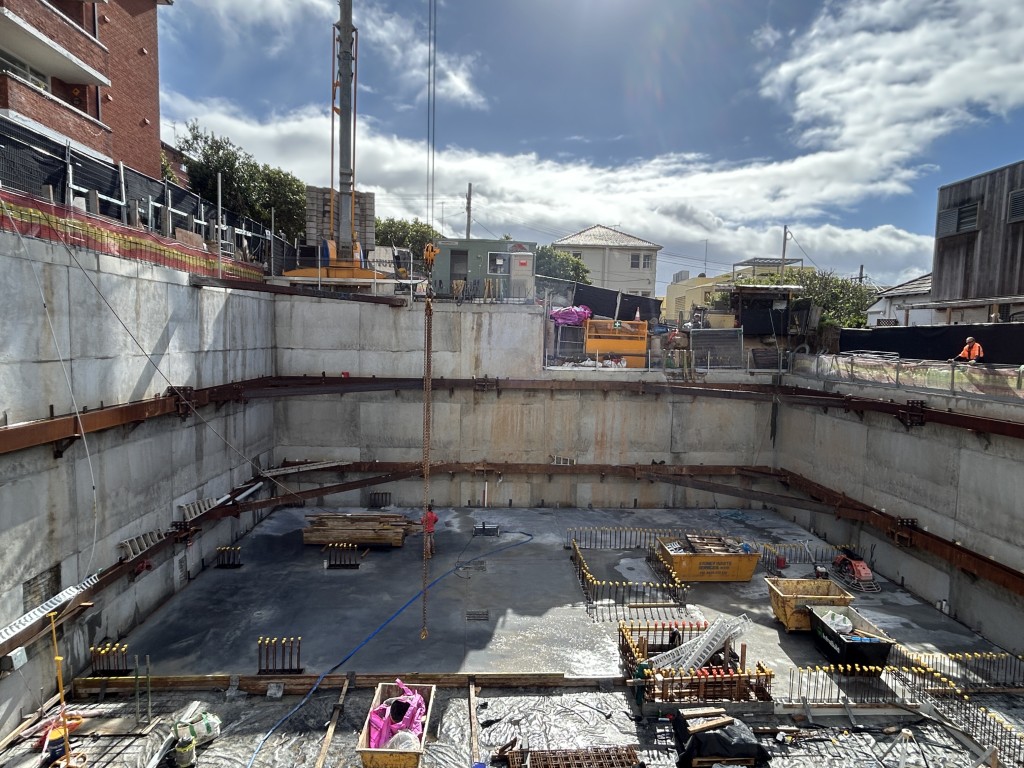
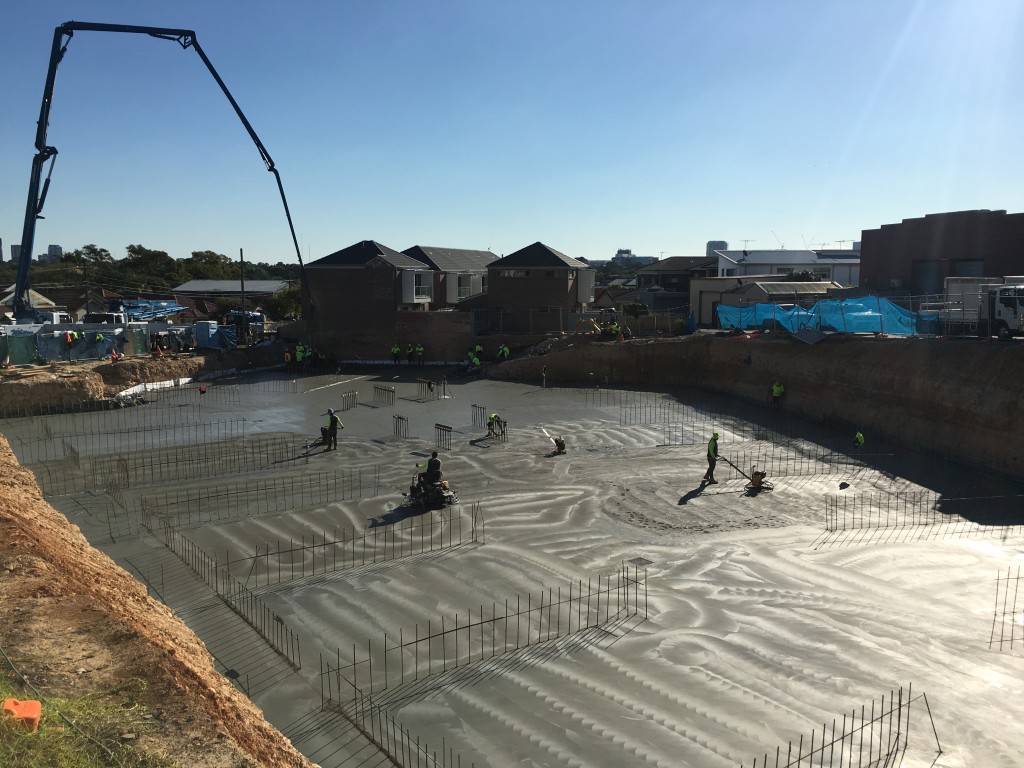
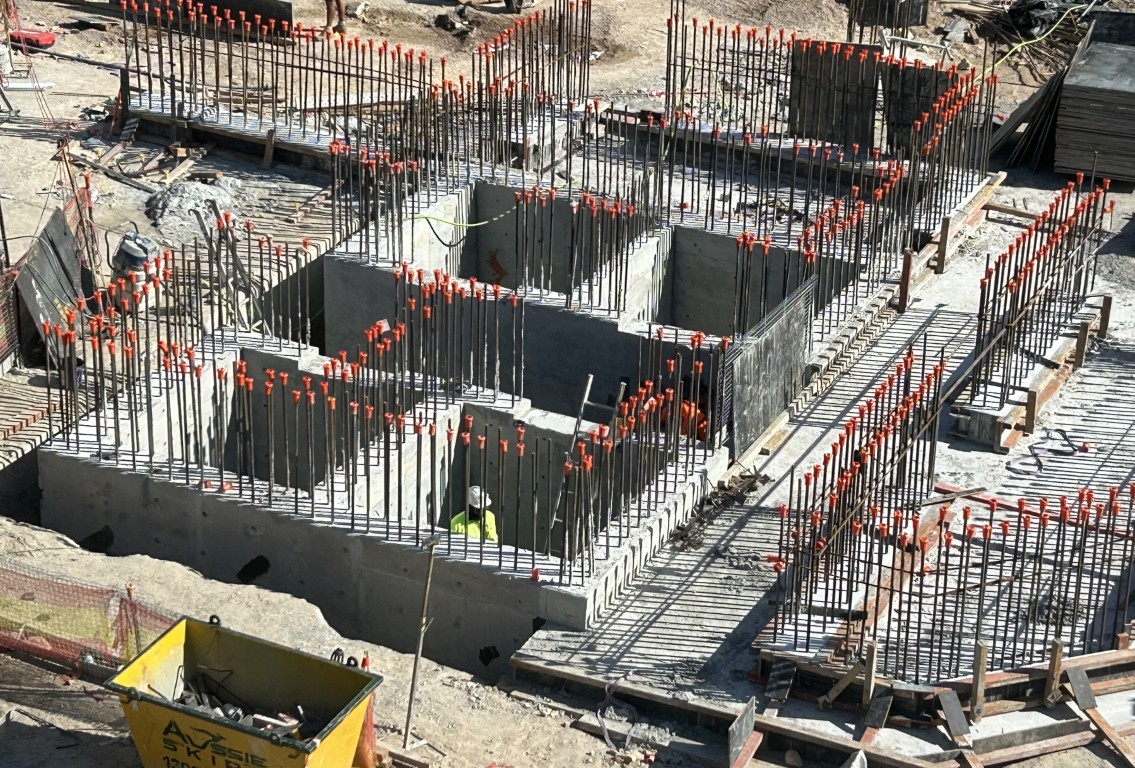
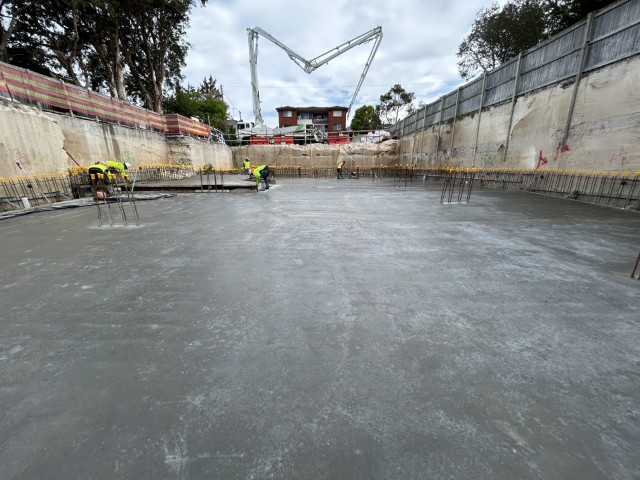
Why Retaining Walls Need Waterproofing and Drainage
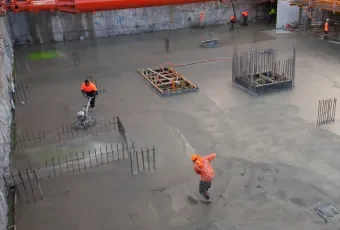
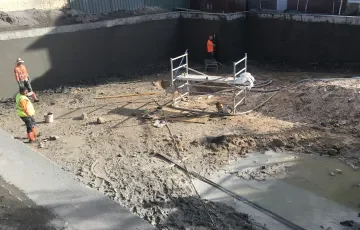
Retaining walls often face moisture from ground contact, fill, landscaped areas, podiums, basements or built-up spaces behind the wall. If water cannot drain correctly, pressure can build behind the structure and force moisture through weak points in the concrete.
Common retaining wall waterproofing risks include:
- Hydrostatic pressure: Water can build behind the wall and push through joints, cracks and porous concrete.
- Poor drainage: Without suitable drainage, the waterproofing system may face more pressure than it was intended to handle.
- Construction joints: Joints need the right detailing and waterstop selection to reduce seepage risk.
- Cracks and movement: Shrinkage, settlement or structural movement can create water paths through the wall.
- Porous concrete: Permeable concrete can allow moisture to move through the wall face.
- Backfill damage: Waterproofing on the ground-facing side can be damaged during backfilling if it is not protected.
- Long-term deterioration: Ongoing water exposure can increase staining, efflorescence, corrosion risk, concrete damage and maintenance costs.
Waterproofing helps protect the concrete, while drainage helps reduce the pressure behind the wall. For retaining walls, both should be considered as part of the overall wall system.
The Penetron Difference: Concrete Waterproofing from Within
Penetron’s crystalline waterproofing technology helps protect retaining walls from within the concrete, not just across the surface. This matters because retaining walls can face ongoing moisture, pressure and restricted access after backfilling or construction.
Penetron systems react inside the concrete to help reduce water movement through pores, capillaries and microcracks. For new retaining walls, this protection can be built into the concrete through admixture systems. For existing retaining walls, surface-applied crystalline treatments may support waterproofing where suitable.
This gives project teams a stronger way to protect concrete retaining walls where water pressure, limited access and long-term durability all need to be considered.
Want to know which retaining wall waterproofing system suits your project? Speak with Penetron for technical product advice.
Why Teams Trust Penetron for Retaining Wall Waterproofing
Retaining walls need more than a standard product recommendation. The waterproofing system must suit the wall design, access, water pressure, backfill conditions and expected exposure.
When retaining wall waterproofing needs to perform long-term, Penetron brings:
- Waterproofing built into the concrete: Penetron systems can integrate waterproofing into the concrete itself, helping reduce reliance on external membranes in suitable applications.
- Tested durability for demanding conditions: Penetron products are made for concrete structures exposed to moisture, water pressure and harsh site conditions.
- Chemical resistance: Penetron systems can help protect concrete against chlorides, acids and related contaminants found in soil, groundwater or surrounding environments.
- Self-healing crack technology: Penetron waterproofing admixtures can self-heal cracks up to 0.5 mm, helping reduce water ingress through minor cracking.
- Time and cost efficiency: Penetron systems can help reduce membrane installation requirements, meaning less construction time and labour costs.
- Complete system support: Penetron offers admixtures, waterstops, repair products, sealers and technical guidance to address all key retaining wall risk points.
Speak With Penetron About Retaining Wall Waterproofing
Retaining wall waterproofing needs the right system for the wall type, water exposure, access and drainage conditions. Penetron can help you assess these factors and select a solution for a new retaining wall, an existing wall, or a structure showing signs of water ingress.
Speak with Penetron for product advice, technical support and retaining wall waterproofing system guidance.
Retaining Wall Waterproofing FAQs
What is the best waterproofing system for a retaining wall?
The best waterproofing system depends on the wall type, construction stage, access, drainage design and water pressure. New concrete retaining walls may suit admixtures, waterstops and ground-facing protection, while existing walls may need crystalline waterproofing, crack repair, joint treatment or leak control.
Should retaining wall waterproofing be applied before backfilling?
Yes, where possible. Applying waterproofing before backfilling gives the project team better access to the ground-facing side of the wall. It also allows the waterproofing system, joint protection and drainage design to be considered before access becomes limited.
Can an existing retaining wall be waterproofed?
Yes, many existing retaining walls can be treated, but the right method depends on access and wall condition. If the ground-facing side cannot be reached, surface-applied crystalline treatments, repair mortars, leak-stopping products or other exposed-face options may be considered where suitable.
Why does drainage matter for retaining wall waterproofing?
Drainage helps reduce water pressure behind the retaining wall. Waterproofing helps protect the concrete, while drainage helps reduce the amount of water pushing against the structure. Both should be considered as part of the wall system.
What causes retaining wall waterproofing to fail?
Common causes include poor drainage, damaged membranes, unprotected backfill, weak construction joints, cracks, porous concrete and wall movement. Waterproofing may also fail when the product is not matched to the wall design, water exposure or site conditions.
Is crystalline waterproofing suitable for retaining walls?
Yes, crystalline waterproofing can suit concrete retaining walls because it works within the concrete to help reduce water movement through pores, capillaries and microcracks. It may be used in new concrete through admixture systems or on existing concrete through surface-applied treatments where suitable.
Can waterproofing help stop damp patches or efflorescence on retaining walls?
Waterproofing can help reduce moisture movement through concrete, which may reduce damp patches, staining and efflorescence. The cause still needs to be assessed because drainage, cracks, wall defects or water pressure behind the wall may also need attention.