


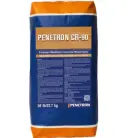
Lift Pit Waterproofing Solutions for Below-Ground Concrete
Lift pits need reliable waterproofing because they sit below ground and face constant exposure to moisture and water pressure. Without the right system, water can enter through joints, cracks, penetrations and porous concrete.
Penetron provides lift pit waterproofing solutions for new and existing concrete structures. Our systems help reduce water ingress, protect reinforced concrete and support long-term lift pit durability. We support lift pit and elevator pit waterproofing projects with crystalline waterproofing, repair products, waterstop systems and technical advice.
Below, we look at the Penetron systems that may suit your lift pit, depending on the structure, site conditions and water exposure.
Lift Pit Waterproofing Solutions from Penetron
Penetron uses a system-based approach to lift pit waterproofing. Each structure has different risk points, so the right solution depends on the construction stage, concrete condition, joint layout and water exposure.
The most common lift pit waterproofing needs include:
New Concrete Lift Pits
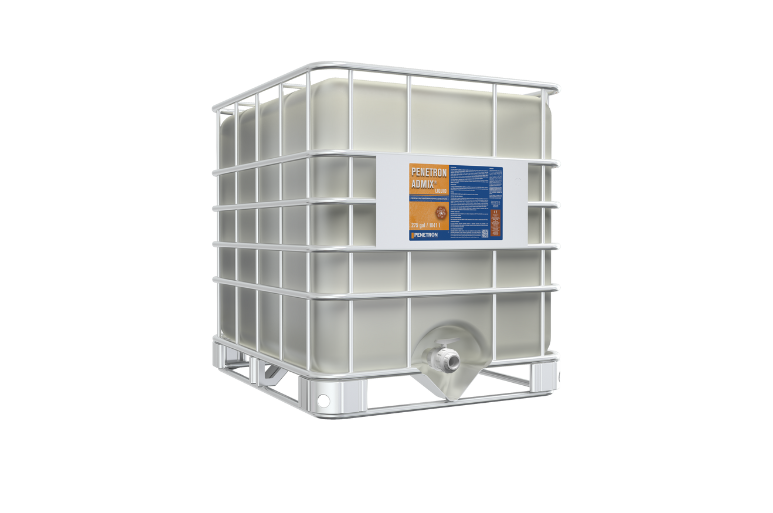
For new lift pits, PENETRON ADMIX can be added to the concrete mix to support integral waterproofing from the start. This helps reduce water movement through the concrete and supports long-term durability in below-ground conditions.
Early product selection also helps project teams protect the pit before backfilling limits future access.
Construction Joints
Construction joints often need extra protection because they can become water entry points. Penetron waterstops can help seal these joints and support a stronger waterproofing system.
This is especially important around wall-floor junctions, cold joints and areas exposed to groundwater pressure.
Existing Water Seepage
For existing lift pits with signs of seepage, PENETRON crystalline waterproofing treatment may be used where suitable. This system works within the concrete to help reduce water movement through pores, capillaries and microcracks.
It can support internal waterproofing where external access is limited.
Cracks and Wall-Floor Junctions
Cracks and wall-floor junctions can allow water to enter the pit. PENECRETE MORTAR can support joint treatment, patching and crack repair as part of a wider waterproofing system.
These areas often need direct treatment before a final waterproofing system is applied.
Added Protection With Seal Coat SF150
Seal Coat SF150 can be used as a “belts and braces” layer in lift pit waterproofing systems where added surface protection is required. This two-component, flexible cementitious membrane can support strong bonding, elongation and crack-bearing performance on suitable surfaces.
In selected lift pit applications, it may be used as part of a broader Penetron system to add value, strengthen wall surface protection and support extended warranty outcomes.
Active Water Leaks
Product Selection and Technical Advice
Lift pit waterproofing depends on the structure, water pressure, access and concrete condition. Penetron supports builders, engineers, contractors and asset owners with technical support and consultation for product selection, system advice and application guidance.
This helps project teams choose a solution that fits the site, rather than relying on a generic waterproofing method.
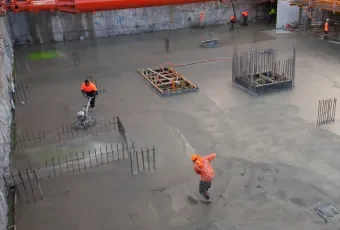
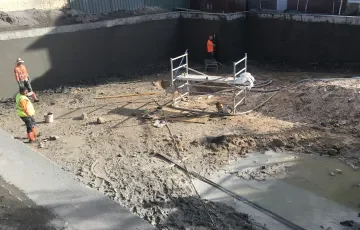
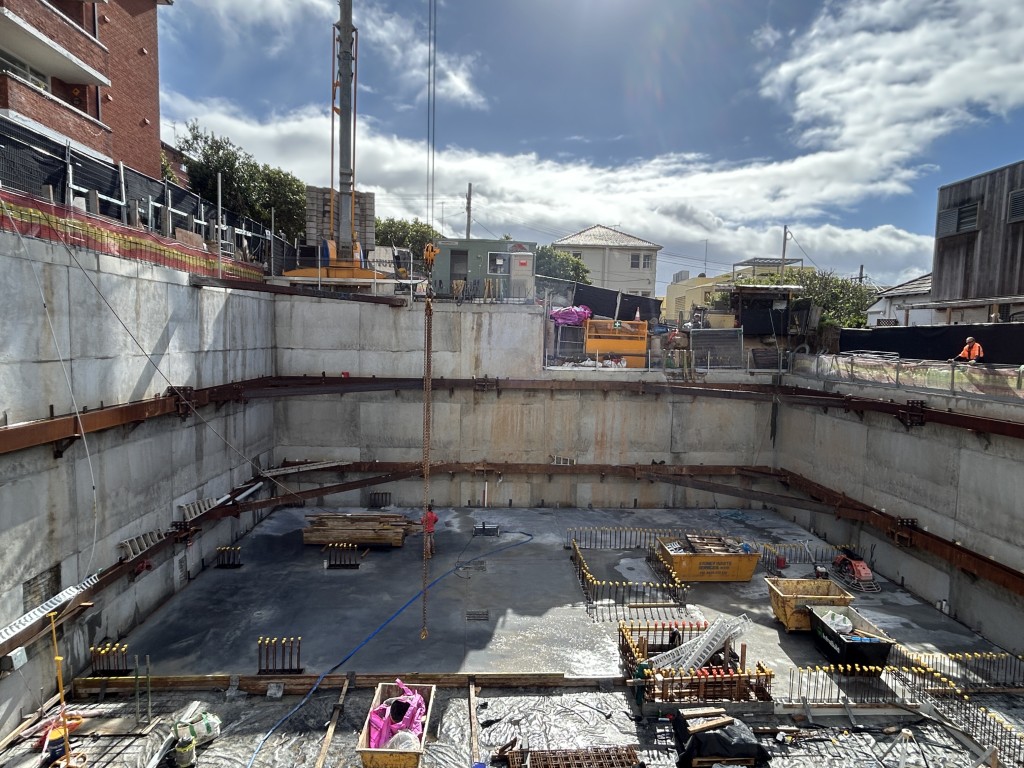
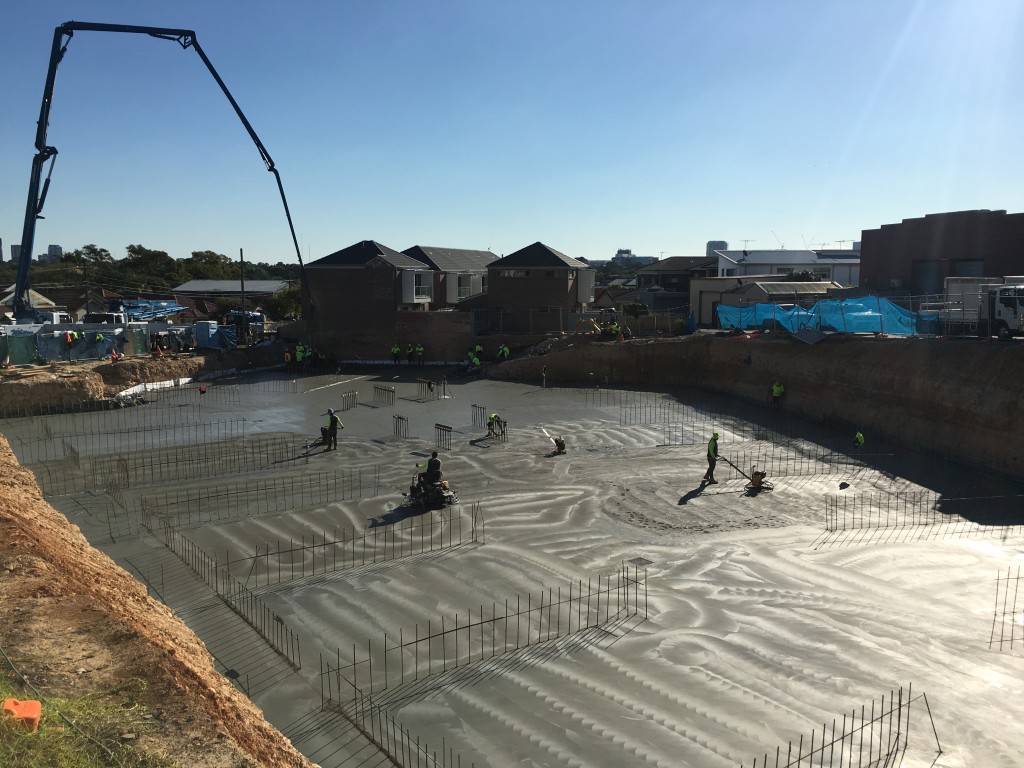
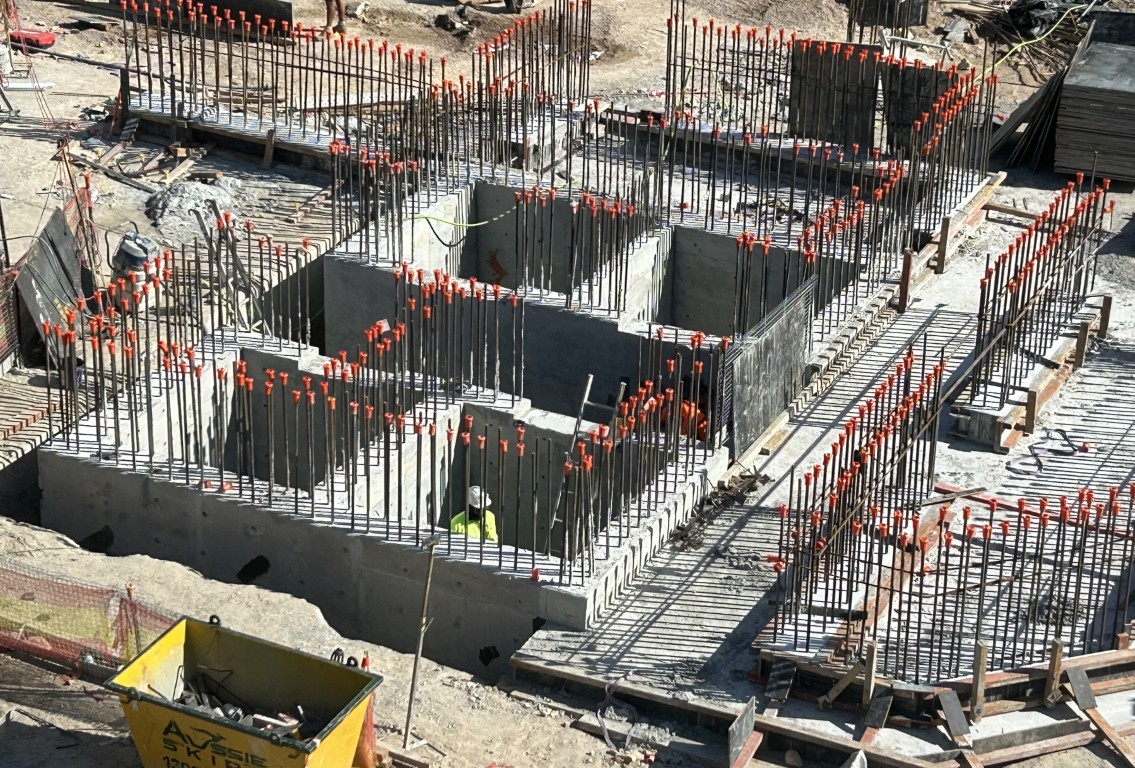
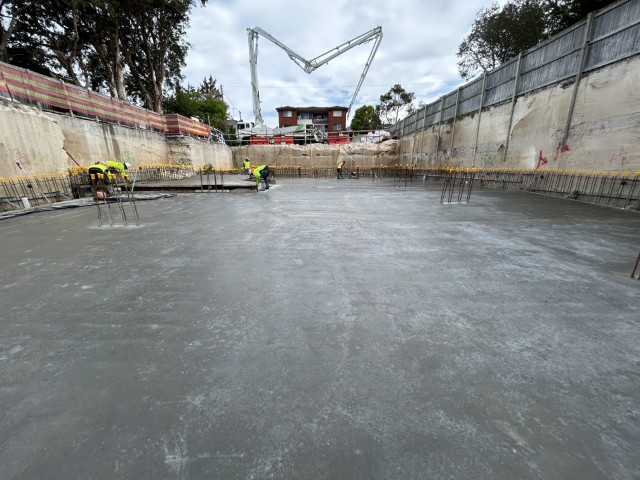
Waterproofing for New and Existing Lift Pit Projects
Lift pit waterproofing works best when the system matches the stage of the structure. A new lift pit gives the project team more control over concrete mix design, joint protection and detailing. An existing lift pit often needs a different approach because access is limited, and water may already have a pathway through the concrete.
New Lift Pit Waterproofing
New lift pits should be planned with waterproofing in mind before concrete is poured. Penetron can support new construction with admixture systems, waterstops and technical advice for joint protection, concrete permeability and long-term durability.
This early approach helps reduce weak points before the lift pit is backfilled or enclosed. It also gives builders, engineers and contractors a clearer path for protecting below-ground concrete from moisture and water pressure.
Waterproofing for Existing Lift Pits
Existing lift pits may show signs of water seepage, damp concrete, joint leaks or active water ingress. In many cases, external access is limited, so the waterproofing system may need to work from inside the pit.
Penetron can support existing lift pit projects with crystalline waterproofing treatments, repair mortars and leak-stopping products. The right system depends on the leak source, concrete condition, water pressure and access available.
Why Lift Pits Need Reliable Waterproofing
Lift and elevator pits are vulnerable to water ingress because they sit below ground and often face moisture, groundwater and hydrostatic pressure. Even small defects can create a path for water to move into the pit over time.
Common lift pit water entry points include:
- Wall-floor junctions: Water can track through weak or poorly treated junctions between the lift pit wall and floor.
- Construction joints: Joints can allow seepage if they do not have the right waterstop system or detailing.
- Cracks: Shrinkage, movement or concrete stress can create direct water paths through the structure.
- Service penetrations: Pipes, conduits and other penetrations can create gaps where water can enter.
- Porous concrete: Permeable or poorly compacted concrete can allow moisture to move through the pit walls or floor.
- Failed external systems: External membranes can be difficult to access or repair once the lift pit is backfilled.
- Groundwater pressure: Hydrostatic pressure can force water through small defects, joints and cracks.
Without the right waterproofing system, water ingress can increase the risk of corrosion, concrete deterioration, lift equipment issues and ongoing maintenance costs. A suitable system helps protect the lift pit structure and supports safer, more reliable building operation.
The Penetron Difference: Crystalline Waterproofing from Within
Penetron’s crystalline waterproofing technology helps protect lift pits from inside the concrete, not just across the surface. This matters for below-ground structures because water can move through pores, capillaries and microcracks that are difficult to see and harder to access after construction.
Penetron systems react inside the concrete to help reduce water movement through these pathways. For new lift pits, this protection can be built into the concrete through admixture systems. For existing lift pits, surface-applied crystalline treatments may support internal waterproofing where suitable.
This gives project teams a stronger way to protect lift pits where water pressure, limited access and long-term concrete durability all matter.
Want to know if crystalline waterproofing suits your lift pit? Speak with Penetron about the right system for your project.
Why Choose Penetron for Lift Pit Waterproofing?
Choosing the right lift pit waterproofing system is easier when you have the right technical support behind it. Penetron helps project teams select practical waterproofing solutions for new and existing lift pits, backed by specialist concrete products and decades of combined industry knowledge.
When you work with Penetron, you get:
- Specialist concrete waterproofing systems: Penetron focuses on concrete waterproofing, repair and protection for demanding structures, including below-ground concrete exposed to moisture, water pressure and hard-to-access leak points.
- Project-specific solutions: Every lift pit has different risks, from joint layout and concrete condition to site access and water exposure. Penetron can help match the right product or combined system to the needs of the structure.
- Over 18 years of trusted service: Penetron has supported Australian concrete waterproofing and durability projects for more than 18 years, with experience across commercial, residential and infrastructure work.
- Support across Australia: Penetron works with builders, engineers, contractors and asset owners across Australia, supporting projects in different site conditions, climates and construction stages.
- Technical support and consultation: Penetron can assist with product selection, specification support and application guidance, helping project teams choose and apply the right lift pit waterproofing system.
Speak With Penetron About Lift Pit Waterproofing
Lift pit waterproofing needs the right system for the structure, water exposure and construction stage. Penetron can help you choose a solution for a new lift pit, an existing lift pit, or a site with active water ingress.
Speak with Penetron about your project requirements, product options and technical support needs today.
Lift Pit Waterproofing FAQs
What is the best waterproofing system for a lift pit?
The best waterproofing system depends on the lift pit’s construction stage, concrete condition, water exposure and access. A new lift pit may suit an admixture and waterstop system, while an existing lift pit may need internal crystalline treatment, crack repair or leak control. Penetron can help project teams select the right system based on the structure and site conditions.
Can lift pit waterproofing be built into the concrete?
Yes. For new lift pits, waterproofing can be built into the concrete with admixture systems such as PENETRON ADMIX. This approach helps reduce water movement through the concrete itself and can support long-term protection before the pit is backfilled or enclosed.
Can an existing lift pit be waterproofed without excavation?
In many cases, yes. Existing lift pits may be treated from inside the pit when external excavation is not practical. The system may include surface-applied crystalline waterproofing, joint repair, crack treatment, active leak control, depending on how water is entering the structure.
Why do lift pits often leak after construction?
Lift pits can leak after construction because water finds weak points in the concrete structure. Common issues include poorly protected construction joints, wall-floor junctions, shrinkage cracks, service penetrations, porous concrete or failed external waterproofing systems. Hydrostatic pressure can make these issues worse over time.
Is crystalline waterproofing better than a membrane for lift pits?
Crystalline waterproofing and membranes work differently. A membrane protects the surface of the structure, while crystalline waterproofing works within the concrete to help reduce water movement through pores, capillaries and microcracks. For lift pits, crystalline systems can be useful because access to the outside of the structure is often limited after construction. The right system depends on the project.
Who should specify lift pit waterproofing on a project?
Lift pit waterproofing is usually considered by engineers, builders, waterproofing contractors, architects, project managers or asset owners. Penetron can support these teams with product selection, specification advice and technical guidance for new and existing lift pit projects.