

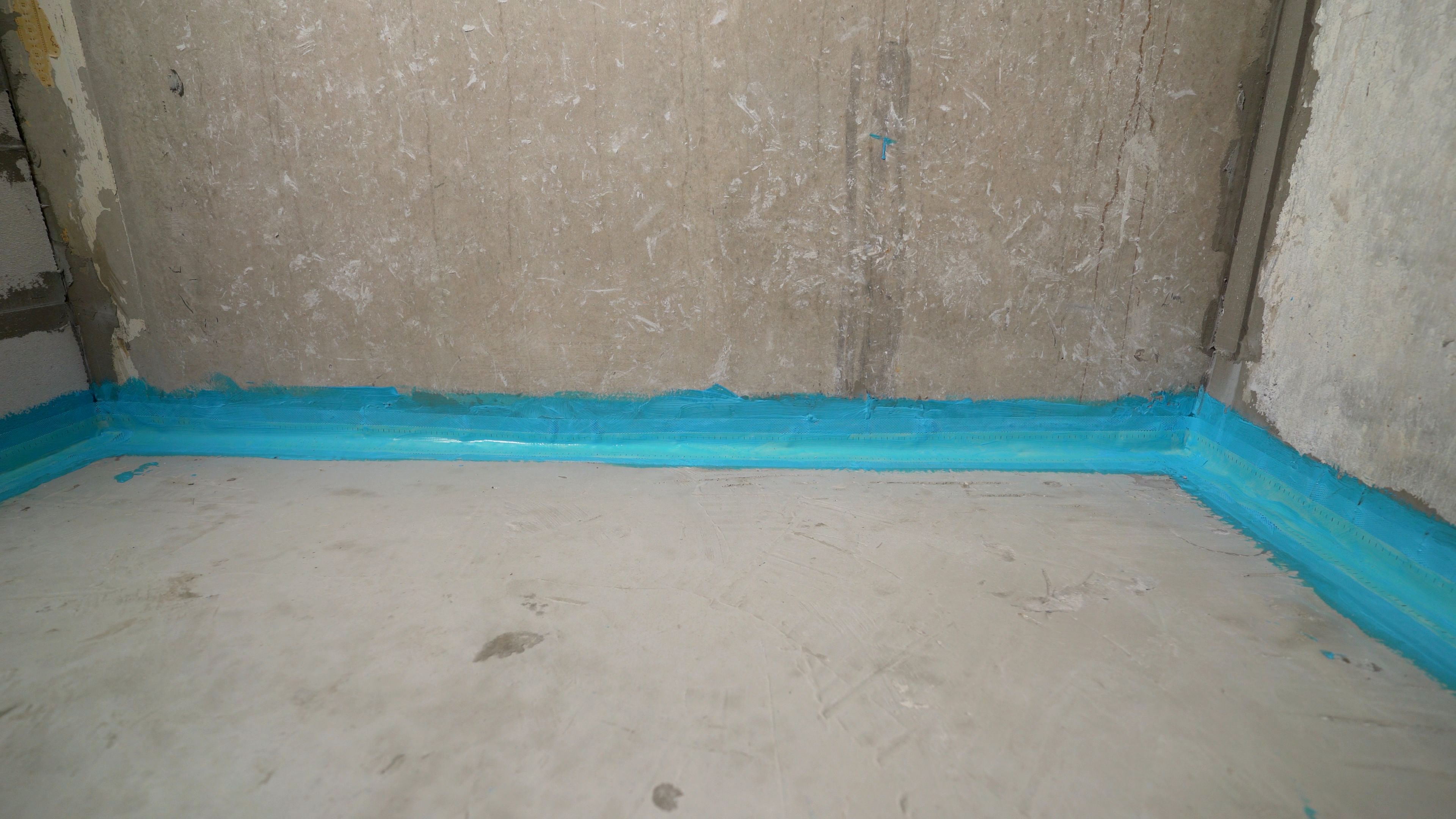
Waterproofing failure creates risk for concrete structures. Water ingress leads to corrosion, cracking, and reduced service life. These issues often appear after construction, once the structure is in use.
Remedial waterproofing addresses these existing failures. It focuses on stopping active leaks and protecting concrete that is already exposed to water pressure. The solution must work within the limits of the existing structure.
Crystalline technology provides a proven approach for remedial waterproofing. It reacts with moisture inside the concrete to block water pathways and protect the structure from further ingress. This method delivers long-term protection without relying only on surface barriers.
What Is Remedial Waterproofing
Remedial waterproofing is the process of repairing waterproofing failure in an existing structure. It targets areas where water has already entered the concrete or where protection has broken down over time.
This type of waterproofing differs from systems installed during construction. It responds to active leaks, moisture movement, and long-term exposure to water pressure. The work often takes place while the structure remains in service.
The main purpose of remedial waterproofing is to stop water ingress and protect the concrete from further damage. Effective solutions address the cause of the leak, not just the visible symptoms. This approach helps extend the service life of the structure and reduce ongoing repair work.
Common Causes of Waterproofing Failure
Waterproofing failure often results from a combination of design, material, and site factors. These issues allow water to enter the concrete and place pressure on the structure.
Common causes include:
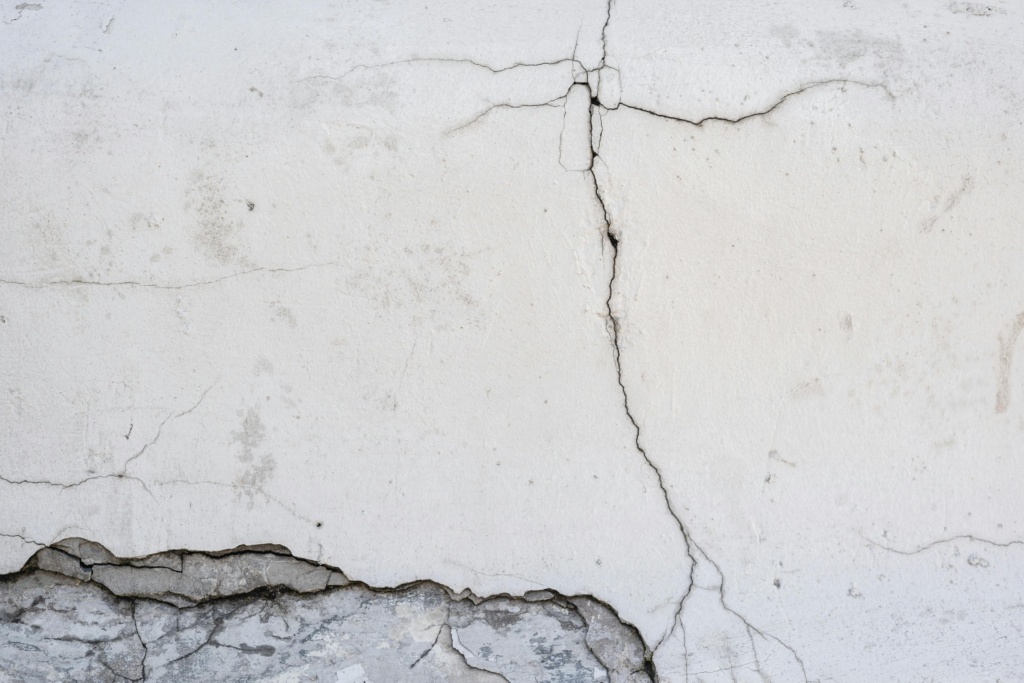
- Concrete cracking from shrinkage, load, or movement
- Hydrostatic pressure acting on below-ground structures
- Poor installation of original waterproofing systems
- Age-related breakdown of membranes or coatings
- Inadequate treatment of joints, penetrations, and cold joints
These failures may develop slowly or appear suddenly. In both cases, water follows the path of least resistance through the concrete. Effective remedial waterproofing solutions start by identifying these pathways and addressing the source of ingress.
Challenges With Traditional Remedial Waterproofing Methods
Many remedial waterproofing solutions rely on surface-applied systems. These methods aim to block water at the point of entry rather than address movement within the concrete.
Surface treatments often depend on strong adhesion. In existing structures, access limits preparation quality. Moisture, contaminants, and uneven substrates can reduce bond strength. Over time, pressure and movement can cause these systems to fail.
Some methods also require full exposure of the affected area. This process increases cost, extends downtime, and disrupts operations. In high-risk zones, repeated repairs may follow if the underlying cause remains untreated.
These challenges highlight the need for remedial waterproofing solutions that work within the concrete and remain effective under ongoing water exposure.
How Crystalline Technology Works in Remedial Waterproofing
Crystalline technology works by reacting with water and cement compounds inside the concrete. When moisture enters the structure, the active chemicals form insoluble crystals. These crystals grow within capillaries, pores, and micro-cracks.
The crystal growth blocks water pathways inside the concrete. This process reduces permeability and stops water movement through the structure. Unlike surface systems, the protection forms below the surface and becomes part of the concrete mass.
Crystalline reactions remain dormant when the concrete is dry. When water returns, the process reactivates and continues crystal growth. This behaviour allows the concrete to maintain resistance to future water ingress and supports long-term remedial waterproofing performance.
Benefits of Crystalline Remedial Waterproofing
Crystalline technology offers clear advantages for remedial waterproofing in existing concrete structures. The protection develops inside the concrete, not just on the surface.
Key benefits include:
- Internal protection that does not rely on surface adhesion
- Reduced water permeability across the concrete mass
- Sealing of micro-cracks that form after application
- Effective performance under constant water pressure
- Long service life with minimal ongoing maintenance
Because the waterproofing action occurs within the concrete, the system remains effective even if the surface experiences wear or minor damage. This approach supports durable remedial waterproofing outcomes in demanding environments.
Where Crystalline Technology Is Commonly Used
Crystalline technology suits remedial waterproofing in structures exposed to ongoing water pressure. It performs well where access to the external face is limited or not possible.
Common applications include:
- Basements and lift pits
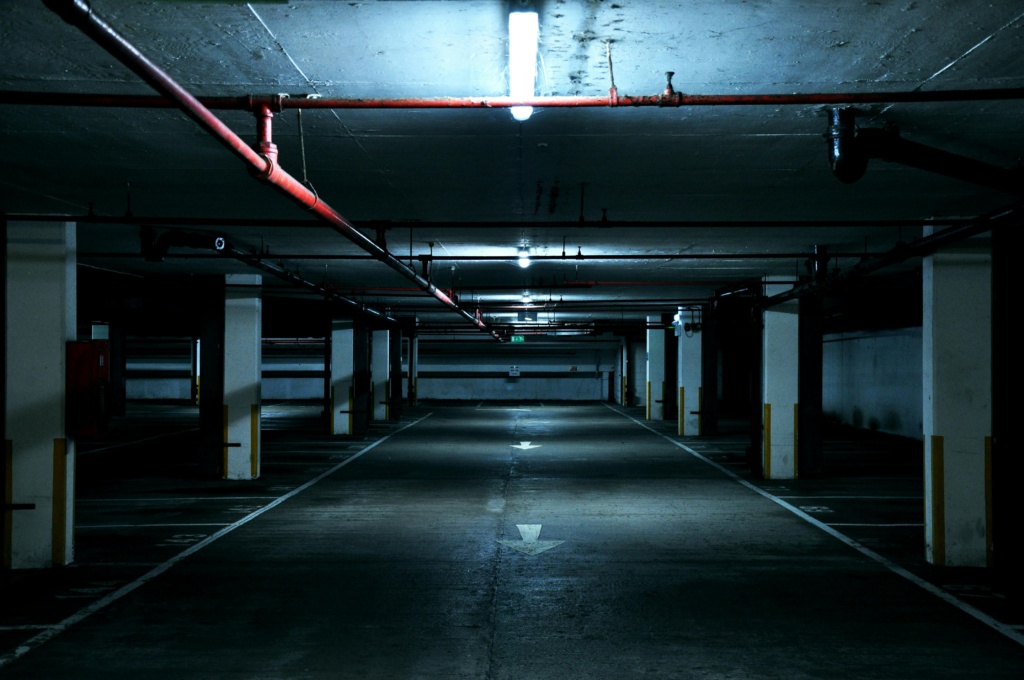
- Car parks and podium slabs
- Water tanks and reservoirs
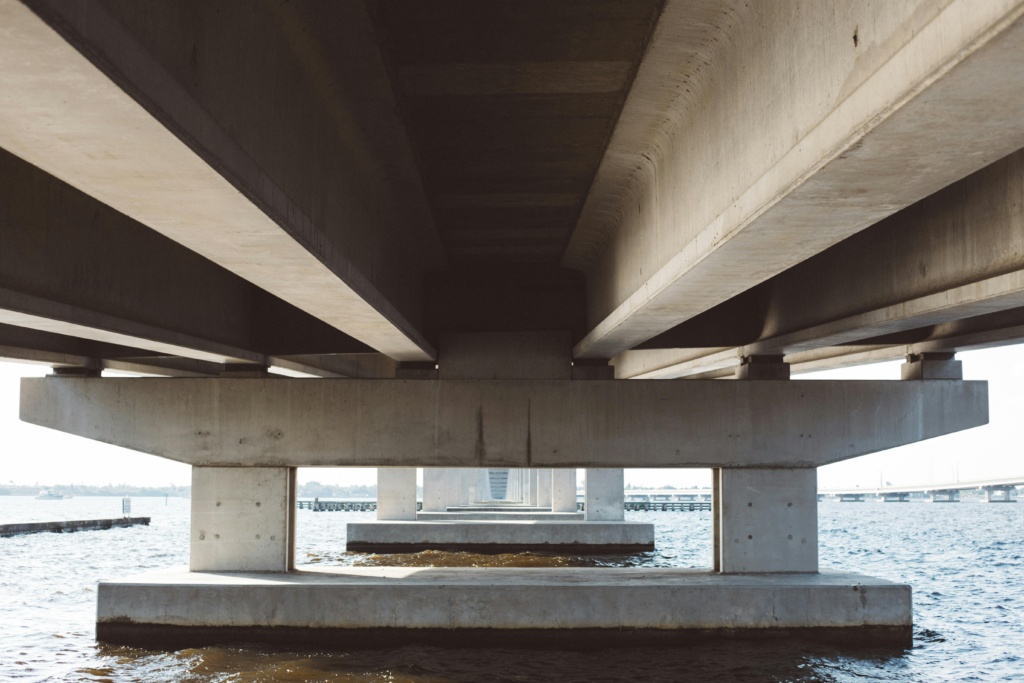
- Tunnels and infrastructure assets
- Retaining walls and below-ground structures
These environments require waterproofing solutions that remain effective over time. Crystalline technology supports this requirement by protecting the concrete from within and limiting future water ingress.
Selecting the Right Remedial Waterproofing Solution
The success of remedial waterproofing depends on matching the solution to the cause of water ingress. A clear assessment comes first.
Key factors to consider include:
- Source and path of water movement
- Condition of the concrete
- Level and duration of water pressure
- Access to affected areas
- Ongoing use of the structure
Some leaks result from surface defects. Others move through the concrete itself. Crystalline technology suits cases where water travels internally through pores, joints, or micro-cracks.
A solution that aligns with site conditions reduces repeat repairs and improves long-term performance. Technical input at this stage helps confirm whether crystalline remedial waterproofing is the correct approach.
Technical Support and Project Considerations
Effective remedial waterproofing relies on correct use of the system. Product choice alone does not resolve water ingress.
Project-specific support improves results. This support includes site review, identification of leak paths, and guidance on preparation and application. These steps help ensure the crystalline material reacts as intended within the concrete.
Installation conditions also matter. Surface cleanliness, moisture levels, and curing time affect performance. Clear installation guidance reduces risk and supports consistent outcomes.
Ongoing technical input helps align the remedial waterproofing solution with project conditions. This approach supports durable performance and reduces the likelihood of future intervention.
When Crystalline Technology May Not Be Suitable
Crystalline technology performs best in sound concrete. Some conditions require additional work before remedial waterproofing can proceed.
Limitations may include:
- Structural defects that need repair before waterproofing
Non-concrete substrates where crystalline reactions cannot occur - Wide or active cracks that exceed the material’s sealing range
- Severe contamination that blocks penetration into the concrete
In these cases, repair or preparation works may be required first. A clear assessment helps confirm whether crystalline remedial waterproofing suits the structure or whether a combined approach is needed.
Long-Term Performance Through Crystalline Remedial Waterproofing
Remedial waterproofing protects concrete structures that already show signs of water ingress. The solution must address how water moves through the structure, not just where it appears on the surface.
Crystalline technology provides an internal form of protection. It reacts with moisture inside the concrete to block water pathways and reduce permeability over time. This behaviour supports long-term performance in structures exposed to ongoing water pressure.
Correct assessment and technical support remain critical. When applied in suitable conditions, crystalline remedial waterproofing helps extend service life, limit repeat repairs, and protect the integrity of concrete assets.
Speak With a Remedial Waterproofing Specialist
Remedial waterproofing works best when the solution matches the structure and the cause of water ingress. Early technical input helps confirm suitability and avoid repeat repairs.
If your project involves active leaks, water pressure, or long-term exposure, specialist guidance can support better outcomes. Project-specific advice helps determine whether crystalline technology is the right remedial waterproofing solution for your structure.
Contact our technical team to discuss your remedial waterproofing requirements and receive clear, project-focused support.