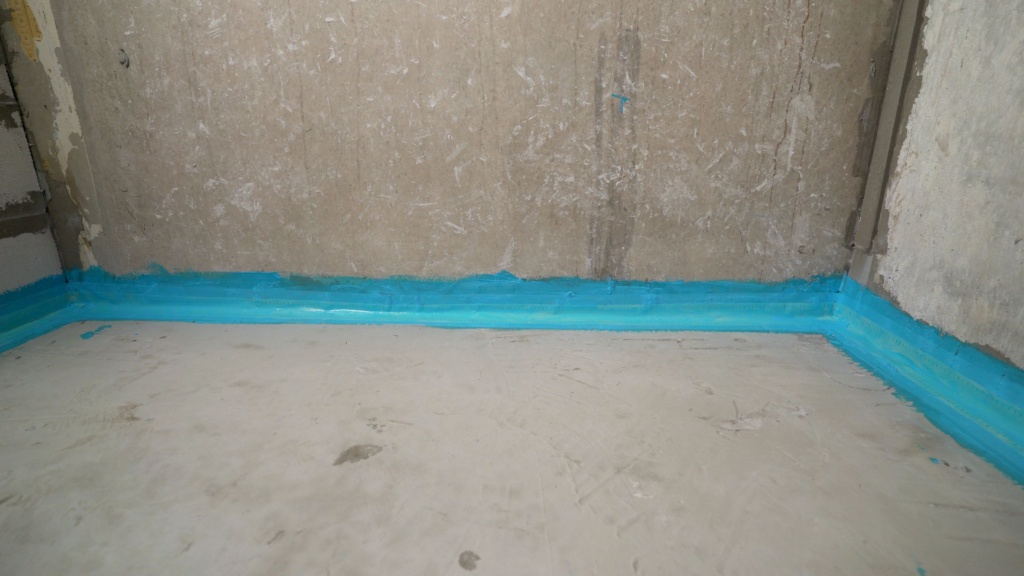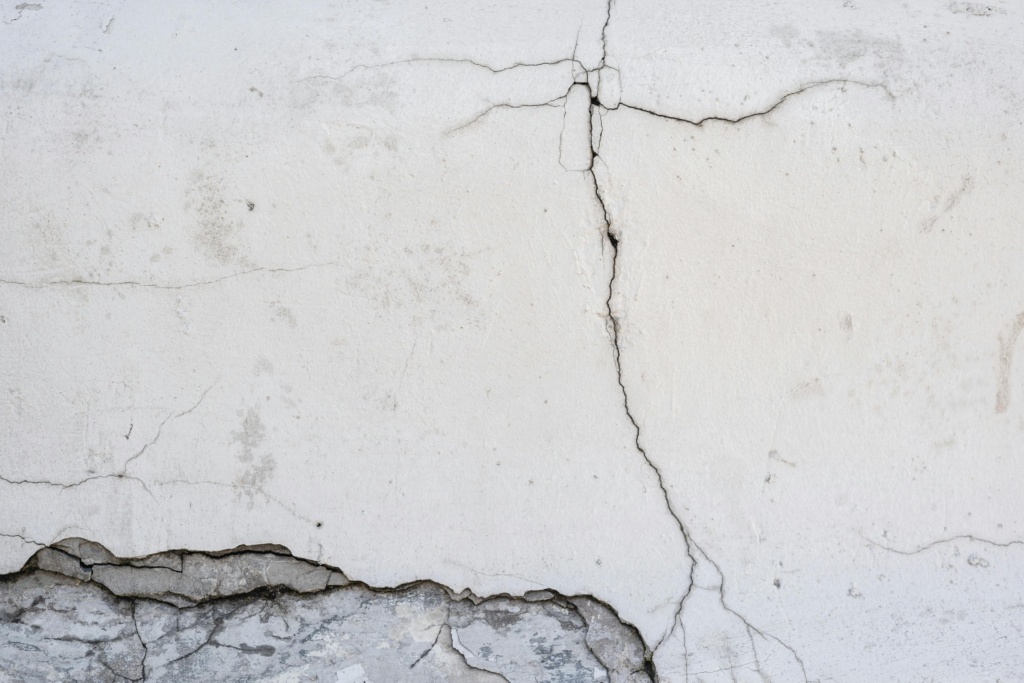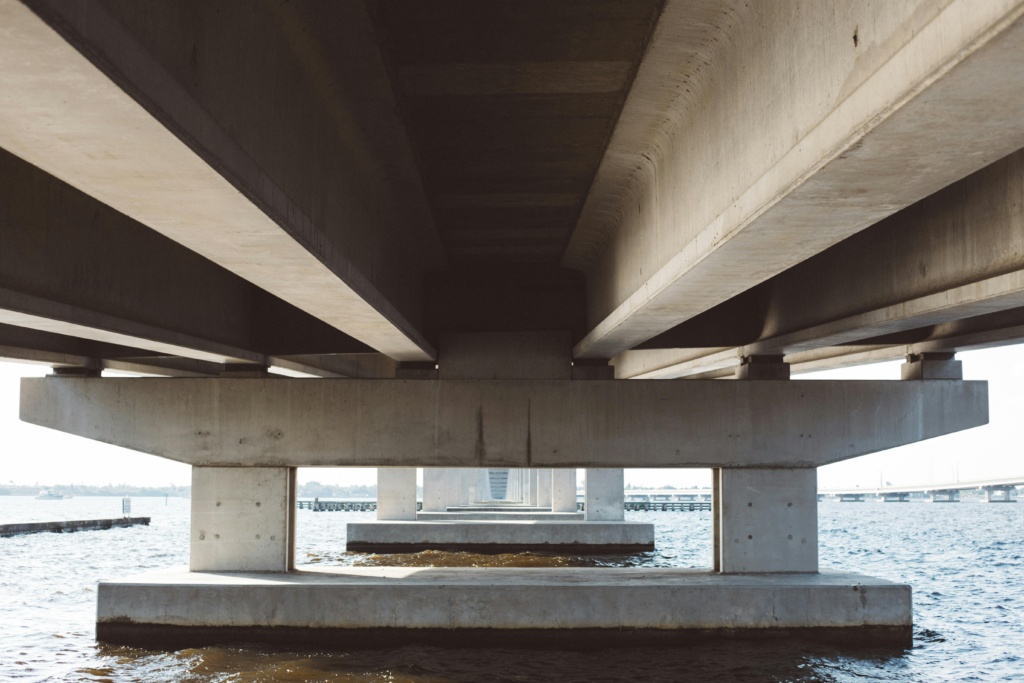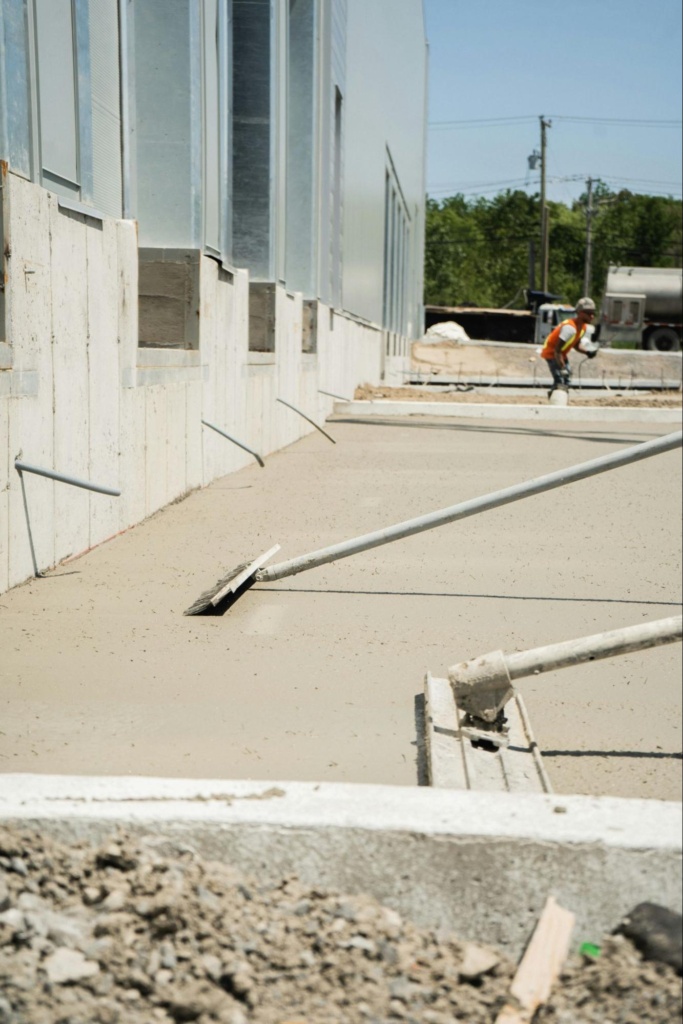


Australia has no dedicated standard that governs basement waterproofing. This gap often leaves builders, engineers, and designers uncertain about how to meet durability and compliance requirements. Without clear prescriptive guidance, project teams must rely on alternative pathways to ensure watertight and long-lasting structures.
In this context, performance-based design provides a practical and compliant solution. By using internationally recognised standards, proven technologies, and project-specific assessments, it’s possible to achieve reliable results that satisfy the National Construction Code (NCC).
A well-documented approach focuses on real-world conditions, such as groundwater level, structure type, and service life, to confirm that waterproofing performance meets expectations even in the absence of an Australian standard.
Why There’s No Australian Standard for Basement Waterproofing
Unlike internal wet areas or roofing, which are covered by standards such as AS 3740 and AS 4654, there is currently no Australian Standard that specifically governs basement waterproofing. This absence creates uncertainty in design and construction, as there’s no prescriptive document outlining the minimum requirements for materials, design methods, or performance criteria.
Basement structures face different conditions than typical waterproofing scenarios. They are exposed to constant hydrostatic pressure, groundwater movement, and potential chemical exposure from soil or groundwater. These variables make it difficult to create a one-size-fits-all standard suitable for every site across Australia.
As a result, compliance relies on Performance Solutions under the NCC. This allows project teams to use alternative methods, including international standards and advanced waterproofing technologies, to achieve the same or better outcomes in durability and water resistance.
How Compliance Is Achieved Under the NCC
In the absence of a dedicated Australian Standard, compliance for basement waterproofing is achieved through Performance Solutions under the National Construction Code (NCC). A Performance Solution demonstrates that a system or design meets the intent and performance requirements of the NCC, even if it doesn’t follow a prescriptive standard.
This approach allows flexibility in design and material selection while maintaining accountability through proper documentation and validation. It requires a structured process that includes:
- Defining the waterproofing performance criteria
- Conducting a risk assessment based on site conditions and groundwater exposure
- Selecting proven waterproofing systems that can demonstrate compliance
- Documenting the design, methodology, and verification process
When developed correctly, a Performance Solution provides clarity for builders, certifiers, and clients. It confirms that the basement waterproofing design is compliant, durable, and suitable for the project’s specific environment and service life expectations.
Using International Standards as Guidance
In the absence of an Australian Standard, many basement waterproofing designs reference international frameworks that have been proven over decades of use. The most recognised is BS 8102:2022 – Protection of Below Ground Structures Against Water Ingress, which sets out design principles for achieving watertight performance in basements and other below-ground structures.
BS 8102 classifies protection into different grades, based on the intended use of the space and tolerance for water presence. For example, a car park may allow minor dampness, while a residential basement or plant room must remain completely dry. These classifications help designers determine the right level of protection for each project.
When adapted thoughtfully, BS 8102 provides a solid foundation for Australian projects. It helps guide material selection, design detailing, and verification processes while allowing for local adjustments such as groundwater conditions, climate, and soil chemistry.
This approach ensures that basement waterproofing systems in Australia remain both practical and compliant, even without a formal local standard.
Key Considerations for Effective Basement Waterproofing Design
Designing a reliable basement waterproofing system requires more than material selection. Each decision must reflect site conditions, risk level, and performance expectations over the structure’s service life. The following factors are critical for achieving long-term watertightness and durability:
- Groundwater conditions:Understanding the design groundwater level and hydrostatic pressure is essential. These factors determine the required protection level and influence drainage and structural design.
- Structural detailing:Construction joints, service penetrations, and wall-to-slab interfaces are common failure points. Proper detailing and integration of waterproofing elements prevent leaks and movement-related cracking.
- Concrete design:The mix must be suitable for exposure conditions. High-quality, low-permeability concrete reduces absorption and improves the performance of any integral waterproofing system.
- Drainage and vapour control:Effective perimeter drains and vapour barriers manage moisture and relieve pressure on below-ground walls and slabs.
- Service life planning:Waterproofing should align with the expected lifespan of the structure. Selecting systems with proven long-term performance ensures consistent protection.
Addressing each of these elements during the design phase supports compliance, reduces rectification costs, and ensures the basement remains watertight for decades.
Performance-Based Solutions for Basement Waterproofing
Performance-based design allows engineers and builders to create compliant, durable waterproofing systems without relying on a prescriptive Australian Standard. This method focuses on measurable outcomes, watertightness, durability, and service life, rather than rigid construction rules.
A well-documented Performance Solution includes:
- A clear description of the design intent and performance requirements
- Risk assessments specific to the site and groundwater conditions
- Evidence of product suitability, testing, and past project success
- Verification methods, such as inspection, testing, and peer review
This process gives certifiers and clients confidence that the basement waterproofing system meets the NCC’s performance requirements. It also provides flexibility to use advanced materials and techniques supported by international standards like BS 8102.
By combining sound engineering judgment, validated waterproofing technologies, and thorough documentation, a Performance Solution ensures compliance and long-term protection even in the absence of an Australian Standard.
Why Documentation and Peer Review Matter
Comprehensive documentation is essential for demonstrating compliance and protecting the long-term integrity of a basement waterproofing design. Every step, from material selection to installation details, must be recorded to verify that the system meets its intended performance outcomes.
A detailed design package typically includes drawings, specifications, test data, and risk assessments. This documentation helps certifiers, engineers, and contractors clearly understand the design intent and confirm that all elements align with NCC requirements.
Peer review adds another layer of assurance. When independent waterproofing consultants, engineers, or architects review a design, it validates the approach and reduces uncertainty for stakeholders. Peer-reviewed designs are more likely to gain approval quickly and perform reliably throughout the structure’s service life.
Strong documentation and transparent review processes build confidence across all project teams, ensuring the basement waterproofing system is both compliant and dependable.
Partnering with Penetron for Compliant Basement Waterproofing
Penetron provides technically proven waterproofing solutions that align with the NCC and international best practices. Each design is developed to meet project-specific conditions, including groundwater level, structure type, and service life expectations, ensuring consistent, measurable results.
The Penetron Team can assist with:
- Developing complete Performance Solutions for basement waterproofing design
- Supplying documentation for compliance and certification
- Conducting peer reviews with architects, engineers, and waterproofing consultants
- Recommending products backed by extensive testing and field performance data
With over 18 years of experience in concrete waterproofing and repair, Penetron combines innovation with technical reliability. Our systems deliver permanent protection against water ingress and cracking while maintaining structural integrity over time.
For projects requiring certainty in both compliance and performance, contact the Penetron Team to discuss a tailored basement waterproofing solution for your next development.