

Water damage can affect any residential building. Small waterproofing defects often allow moisture to enter walls, floors, and concrete structures. Over time, this moisture can cause structural damage, mould growth, and costly repairs.
Regular residential waterproofing inspections help homeowners detect problems early. An inspection checks areas where water commonly enters a home. These areas include bathrooms, balconies, roofs, basements, and external walls.
Homeowners can perform a basic visual check before arranging a professional assessment. A clear waterproofing inspection checklist helps identify common warning signs such as cracks, damp patches, or failed seals.
This guide explains how to inspect key areas of a home, recognise signs of water ingress, and understand when a professional water ingress inspection is required. It also outlines the role of waterproofing compliance in protecting residential buildings.
What Is a Residential Waterproofing Inspection?
A residential waterproofing inspection assesses areas of a home where water may enter the structure. The inspection identifies defects in waterproofing systems and checks whether the installation performs as intended.
Inspectors review locations where moisture exposure is common. These locations include bathrooms, balconies, basements, roofs, and external walls. The inspection focuses on membranes, joints, penetrations, drainage points, and surface finishes.
A typical water ingress inspection looks for signs of moisture movement through building materials. Inspectors check for cracks, failed seals, blocked drainage, and damaged waterproofing membranes. These defects often allow water to move into concrete, walls, and internal spaces.
Inspectors also assess waterproofing compliance with relevant building standards and construction practices. This step confirms whether the waterproofing system meets the required performance level for residential construction.
A professional inspection provides clear evidence of waterproofing condition. It helps homeowners detect problems early and plan repairs before water damage spreads.
Why Waterproofing Inspections Matter for Homeowners
Waterproofing protects key parts of a home from moisture damage. When waterproofing fails, water can enter structural elements and internal spaces. Early residential waterproofing inspections help homeowners detect these issues before damage spreads.
Regular inspections provide several important benefits.
Prevent structural damage
Water ingress can weaken concrete, timber, and steel reinforcement. An inspection identifies cracks, failed seals, and damaged membranes before these issues affect structural components.
Reduce mould and moisture problems
Moisture trapped inside walls or ceilings often leads to mould growth. A timely water ingress inspection helps locate moisture sources and reduce indoor health risks.
Protect internal finishes
Water can damage paint, plaster, flooring, and cabinetry. Early detection protects these materials and reduces repair costs.
Maintain property value
Visible water damage can lower property value and create concerns during property inspections. Regular waterproofing checks help maintain building condition.
Support waterproofing compliance
Professional inspections confirm whether existing waterproofing systems meet building requirements. This documentation can assist with construction verification, defect investigations, or renovation work.
A Practical Waterproofing Inspection Checklist
Homeowners can perform a basic visual inspection before arranging a professional residential waterproofing inspection. A simple waterproofing inspection checklist helps identify areas where water may enter the building.
The following checks focus on locations where home waterproofing failures often occur.
External Areas to Inspect
External building surfaces face constant exposure to rain and moisture. These areas often show the first signs of waterproofing failure.
Use this checklist:
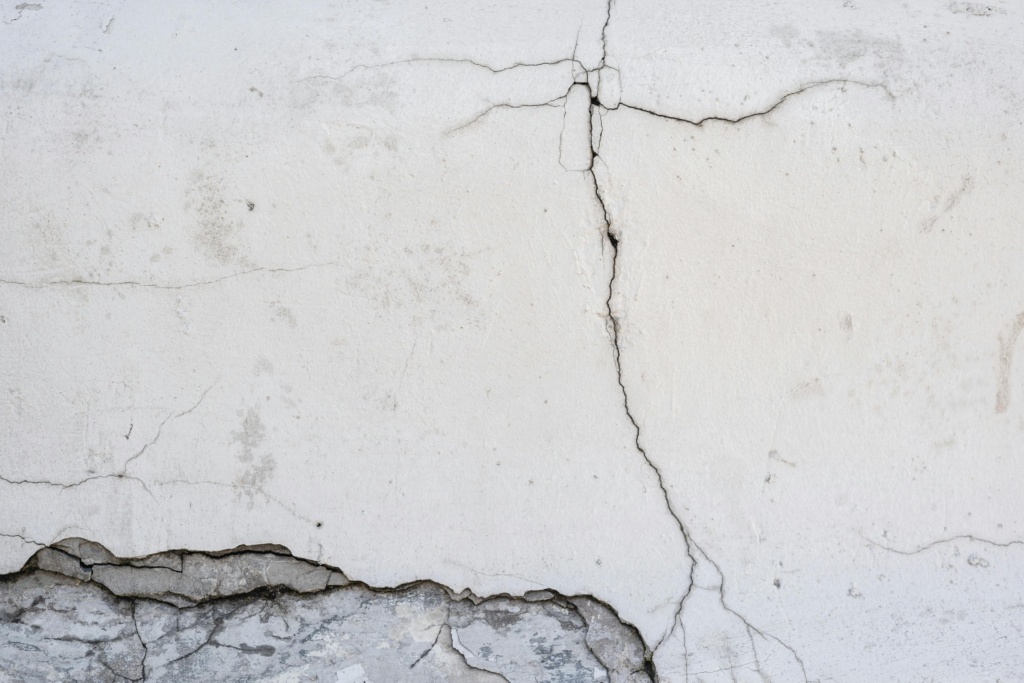
- Check external walls for visible cracks in render, concrete, or masonry.
- Inspect window and door frames for gaps or failed sealant.
- Look for water stains or damp patches on exterior surfaces.
- Check roof flashing around chimneys, vents, and skylights.
- Inspect gutters and downpipes for blockages or overflow.
- Look for pooling water near foundations or walls after rainfall.
These conditions can allow water to move into internal structures.
Internal Areas to Inspect
Moisture often becomes visible inside the home once waterproofing defects develop.
Check the following areas:
- Inspect ceilings for water stains or discolouration.
- Look for damp patches on internal walls.
- Check bathroom walls and floors for cracked tiles or grout.
- Inspect sealant around showers, baths, and sinks.
- Look for mould growth in bathrooms, laundries, or cupboards.
- Check floors for swelling or soft areas near wet zones.
These signs often indicate moisture movement within the building.
High-Risk Areas for Water Ingress
Some areas of a home experience constant moisture exposure. These locations require careful attention during a water ingress inspection.
Common high-risk areas include:
- Bathrooms and showers
- Balconies and terraces
- Roof penetrations and flashing points
- Basements or below-ground rooms
- Window and door interfaces
- Plumbing penetrations through walls or floors
Common Signs of Waterproofing Failure
Waterproofing defects often appear through visible changes in building surfaces. These signs indicate that moisture has entered the structure. A water ingress inspection can confirm the source of the problem.
Homeowners should watch for the following warning signs.
Damp patches on walls or ceilings
Moisture often creates dark or discoloured patches. These marks may grow after rainfall or plumbing use.
Efflorescence on concrete or masonry
White powder deposits on concrete or brick indicate water movement through the material. This process leaves mineral residue on the surface.
Peeling paint or bubbling finishes
Moisture behind painted surfaces causes paint to lift or bubble. This issue often appears near bathrooms, balconies, or external walls.
Swollen timber or warped flooring
Water exposure can cause timber doors, skirting boards, or flooring to expand or change shape.
Persistent mould growth
Mould often develops where moisture remains trapped. Bathrooms, ceilings, and cupboards often show this issue first.
Water pooling on balconies or wet areas
Standing water on balconies, rooftops, or tiled floors may indicate drainage problems or failed waterproofing membranes
Engineers must consider lifecycle cost, maintenance access, and exposure severity. A system that performs well in low-risk conditions may not deliver required durability in marine, industrial, or high groundwater environments. Proper selection supports long-term structural performance and reduced remediation risk.
When to Arrange Professional Residential Waterproofing Inspections
A basic visual check helps identify early warning signs. A professional residential waterproofing inspection provides a detailed assessment of the building structure and waterproofing systems.
Homeowners should arrange an inspection in the following situations.
Visible signs of water damage
Damp patches, mould, peeling paint, or efflorescence often indicate moisture movement within the building.
Persistent moisture or leaks
Recurring leaks after rainfall or plumbing use often signal waterproofing failure.
Renovations or bathroom upgrades
Construction work can disturb existing waterproofing systems. An inspection helps confirm that new installations meet waterproofing compliance requirements.
Pre-purchase property inspections
A water ingress inspection can reveal hidden moisture issues before a property purchase.
Balcony or roof drainage issues
Standing water or poor drainage often leads to membrane failure and water ingress.
Structural cracks or movement
Cracks in concrete or masonry can allow water to enter structural elements.
Waterproofing Compliance in Residential Construction
Australian building standards require effective waterproofing in areas exposed to moisture. Proper waterproofing compliance helps protect the structure, internal finishes, and long-term building performance.
Bathrooms, balconies, laundries, and roofs must include waterproofing systems that prevent water from entering the building structure. These systems usually include membranes, sealants, drainage components, and correct installation methods.
A residential waterproofing inspection checks whether these systems perform as required. Inspectors review membrane coverage, joint sealing, penetrations, and drainage paths. They also check for defects that may allow moisture movement through walls, floors, or concrete.
Waterproofing compliance also supports construction documentation and defect investigations. Builders, engineers, and property owners often require inspection records to confirm that waterproofing systems meet building standards.
Regular inspection helps identify compliance issues early. Early correction prevents water damage and reduces the risk of costly structural repairs.
How Professional Waterproofing Solutions Protect Concrete Structures
Concrete contains small pores that allow moisture to move through the material. Over time, water ingress can weaken concrete and damage internal building components. Effective home waterproofing systems reduce this risk.
Professional waterproofing solutions create a barrier that blocks water movement through concrete surfaces. These systems protect structural elements such as basements, balconies, slabs, and retaining walls.
A professional residential waterproofing inspection helps confirm that these systems perform as required. Inspectors assess membrane condition, joint sealing, and areas where water may enter the structure. Early detection allows targeted repairs before water spreads through the building.
Proper waterproofing also improves long-term durability. It helps prevent corrosion of steel reinforcement, reduces moisture-related deterioration, and protects surrounding finishes.
By addressing water ingress early, homeowners can extend the life of their concrete structures and avoid major repair costs.
Final Checklist Before Booking a Waterproofing Inspection
A simple review helps homeowners decide whether a professional residential waterproofing inspection is necessary. This final checklist summarises the key points to confirm before arranging an inspection.
Use the following steps.
- Inspect internal walls and ceilings for damp patches or water stains.
- Check bathrooms, balconies, and laundries for cracked tiles or grout.
- Look for mould growth or musty odours in wet areas.
- Check external walls for visible cracks or failed sealant.
- Inspect gutters, downpipes, and drainage points for blockages.
- Look for white mineral deposits on concrete or masonry surfaces.
- Check balconies and tiled areas for water pooling after rainfall.
Document any visible issues with photographs and notes. This information helps specialists assess the problem during a water ingress inspection.
If several warning signs appear, arrange a professional inspection as soon as possible. Early assessment helps protect the structure and ensures the building meets waterproofing compliance requirements.
How Penetron Can Support Residential Waterproofing
Effective waterproofing requires reliable systems and correct installation. Penetron Australia provides concrete waterproofing solutions that help prevent water ingress and protect residential structures.
Penetron technologies work within the concrete itself. The system forms crystalline structures that block moisture movement through concrete pores and capillaries. This process helps protect foundations, basements, retaining walls, and other structural elements.
Penetron systems support long-term home waterproofing by reducing the risk of water penetration. These solutions also improve concrete durability and help maintain structural integrity over time.
Builders, engineers, and contractors use Penetron products across a wide range of projects. These include residential developments, infrastructure works, and commercial construction. The systems help support waterproofing compliance and provide long-term protection against water ingress.
Homeowners who suspect waterproofing issues should arrange a professional residential waterproofing inspection. Penetron Australia can provide technical guidance and recommend suitable waterproofing solutions to address water ingress risks and protect concrete structures.