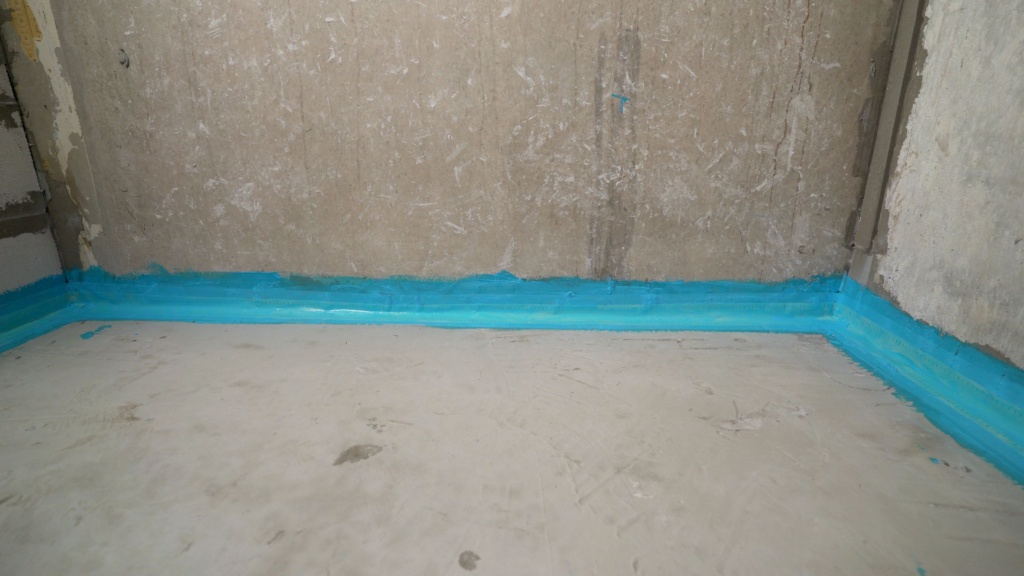



Cementitious waterproofing is a simple and reliable way to protect concrete and masonry from water damage. It uses a cement-based coating that bonds strongly to surfaces, creating a barrier against moisture and pressure.
This method is widely used in basements, water tanks, bathrooms, and large structures like bridges and tunnels. Builders and engineers value it for its durability, ease of application, and cost efficiency.
If you need long-term protection against water intrusion, cementitious waterproofing offers a proven solution that works across residential, commercial, and infrastructure projects.
What is Cementitious Waterproofing?
Cementitious waterproofing is a method that uses a cement-based coating to stop water from passing through concrete and masonry. The coating is mixed with special additives that improve strength, flexibility, and resistance to water pressure.
Once applied, the coating hardens to form a protective layer that bonds to the surface. This layer blocks moisture from entering the structure while still allowing the surface to breathe. Because it uses cement as the base, it integrates well with concrete and delivers reliable performance over time.
Where is Cementitious Waterproofing Used?
Cementitious waterproofing is common in both residential and commercial projects. It is often applied in areas that face constant moisture or water pressure. Typical uses include:
- Basements
- Water tanks
- Bathrooms and wet areas
- Retaining walls
- Bridges and tunnels
Benefits of Cementitious Waterproofing
- Easy application
- Strong adhesion
- Cost-effective
- Durability in wet conditions
- Suitable for multiple surfaces
Cementitious Waterproofing vs Other Methods
Method | Key Features | Limitations | Best Use Cases |
Cementitious | Cement-based coating, easy to apply, cost-effective | Less flexible than membranes | Basements, tanks, bathrooms, infrastructure |
Liquid Membranes | Flexible, seamless finish | Higher cost, skilled application needed | Roofs, podium decks, complex surfaces |
Bituminous Coatings | Good adhesion, resistant to moisture | Degrades under UV exposure | Foundations, areas not exposed to sunlight |
Crystalline Systems | Self-healing, penetrates concrete | Higher cost, more specialised | Long-term protection in critical structures |
Cementitious waterproofing stands out as a practical, affordable option when you need reliable waterproofing without complex installation.
Cementitious Waterproofing Products
Our cementitious waterproofing products:
Limitations of Cementitious Waterproofing
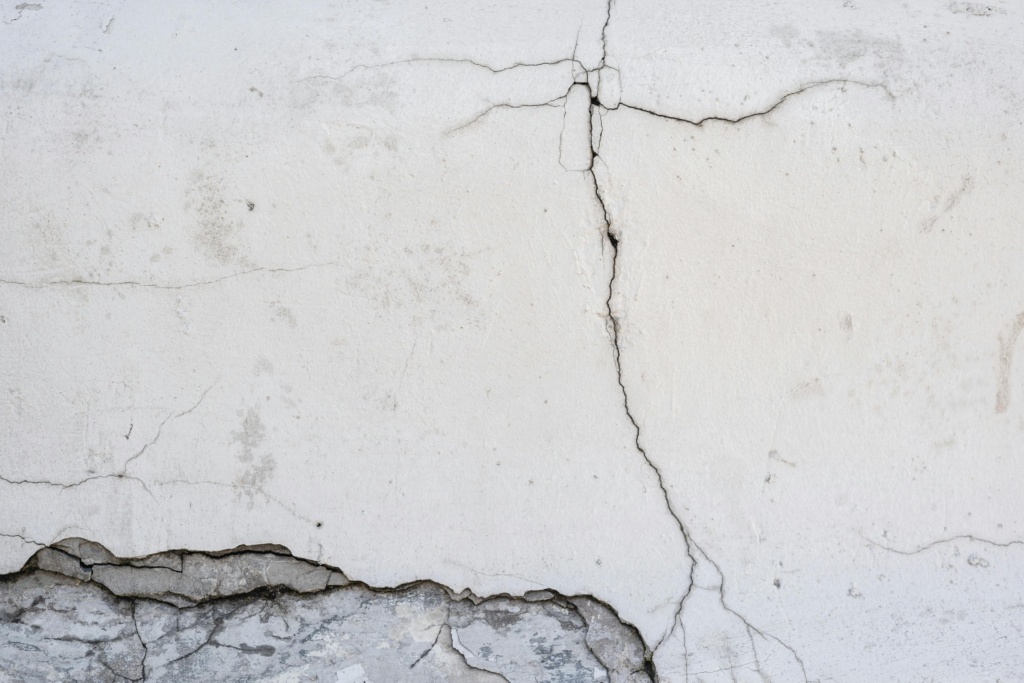
Cementitious waterproofing is reliable, but it is not always the best fit for every situation. Its rigid nature means it can crack if the structure moves or shifts. This makes it less suitable for buildings exposed to high vibration or frequent structural changes.
The surface must also be properly prepared before application. Any dust, oil, or uneven areas can weaken the bond and reduce effectiveness. In environments with high water pressure or chemical exposure, the coating may wear down over time and require maintenance.
Another drawback is its limited resistance to prolonged sunlight and weathering. For this reason, it is most effective in internal areas or places protected from direct exposure.
Frequently Asked Cementitious Waterproofing Questions
How long does cementitious waterproofing last?
When applied correctly, cementitious coatings and mortars can last for decades. They bond with concrete and resist water pressure, providing long-term protection with minimal maintenance.
Is cementitious waterproofing safe and eco-friendly?
Yes. Products like Penetron’s cementitious systems are VOC-free and non-toxic, making them safe for use in homes, commercial buildings, and water storage structures.
Can cementitious waterproofing fix active leaks?
What makes Penetron’s products different?
Penetron Australia offers a full range of cementitious solutions. Each product is tested to Australian standards and proven in demanding conditions.
Can cementitious waterproofing be applied to old concrete?
Yes. With proper surface preparation, cementitious coatings and mortars bond well to existing concrete and masonry. They are often used in repair and remediation projects.
How is cementitious waterproofing applied?
The surface is cleaned and repaired first. The product is then mixed and applied as a slurry, mortar, or plug, depending on the product type. Application can be done with a brush, roller, trowel, or spray.
Is cementitious waterproofing suitable for areas under constant water contact?
Yes. These products perform well in conditions with continuous water exposure, such as water tanks, pools, and basements.
What’s the difference between positive-side and negative-side application?
Positive-side waterproofing is applied to the surface in direct contact with water (e.g., the outside of a tank). Negative-side application is applied to the opposite surface, stopping water from entering interior spaces. Cementitious products can often handle both.